
CV and Cover Letter Tips for First-Time Job Seekers
Top tips from a Bandu partner- Clicks IT Recruitment
Starting your first job search can feel both exciting and a little intimidating. Writing your first resume, applying for roles, and preparing for interviews can be unfamiliar territory.
Bandu has partnered with Clicks IT Recruitment to share practical advice to help our Bandu Eagles take their first steps into the workforce with confidence. Whether you’re applying for your first role, internship or work placement, these tips will help you present your skills, potential and personality in the best possible way.

The Job Hunt Stage
No Experience? No Worries.
Your first job is an exciting milestone. But before you get there, you’ll need to apply. That can feel daunting when your resume doesn’t yet include much formal work experience. The good news? Employers know you’re just starting out.
Employers are not only looking for experience, they’re also looking for potential, attitude, work ethic and willingness to learn. Even without a long job history, you can create a strong, professional resume that shows exactly what you bring to the table.
Start With What You Have
If you’re new to the workforce, your resume may look a little different from someone with years of experience and that’s completely fine.
Instead of focusing on what you don’t have, highlight what you do have:
Your education
Skills and strengths
School or university projects
Extracurricular activities
Awards and achievements
Volunteer work
Think of your resume as a showcase of your potential, not a list of what’s missing.

How to Build Your Resume
1. Contact Details
Keep this section simple and professional.
Include:
Phone number
Email address
LinkedIn or portfolio (if relevant)
You don’t need to list your full address, suburb and state is enough.
2. Short Summary (Optional but Powerful)
This is your quick introduction. A short statement about who you are and what you’re aiming for.
Think of it as a snapshot that highlights your motivation. Keep it to 1–2 sentences.
Example:
“After completing my Bachelor’s degree in IT, majoring in Software Development, I’m excited to begin my career and grow within a supportive team where I can continue developing my technical skills.”
3. Education
For early career job seekers, your education is often the strongest section.
Include:
Qualification (certificate, diploma, degree)
School or institution name
Dates attended
Key subjects or focus areas
Relevant projects or coursework
Academic achievements, awards or leadership roles
4. Skills
This is your chance to show employers what you can bring to their team. Choose skills that align with the job you’re applying for.
Examples include:
Communication
Teamwork
Time management
Problem solving
Digital or technical skills
5. Projects & Coursework
University or TAFE assignments absolutely count. This demonstrates real-world problem solving and initiative. If you worked on a project related to the role:
Explain what the project was
Describe what you contributed
Share the outcome or result
6. Volunteering
Volunteer work shows initiative, reliability and community spirit. Employers value people who give their time and contribute to their community.
Examples include:
Community events
Coaching or mentoring
Charity work
School activities
7. Extracurricular Activities
Activities outside study can tell employers a lot about you. These experiences often demonstrate teamwork, commitment and leadership.
Examples include:
Sports teams
Music groups
Coding clubs
Gaming competitions
Student leadership groups
8. References
If you don’t have previous employers, you can still include references such as:
Teachers
Lecturers
Coaches
Club leaders
You can either list their contact details or simply write:
“References available on request.”
Final Resume Tips
Keep it Easy to Read
Use clear headings, bullet points and simple formatting. Clean and professional always works best.
Tailor Your Resume
Customise your resume for each role. Highlight the skills and experience most relevant to that job.
Confidence Matters
Even without experience, you offer enthusiasm, curiosity and fresh perspective. Every career starts somewhere, focus on what you bring.
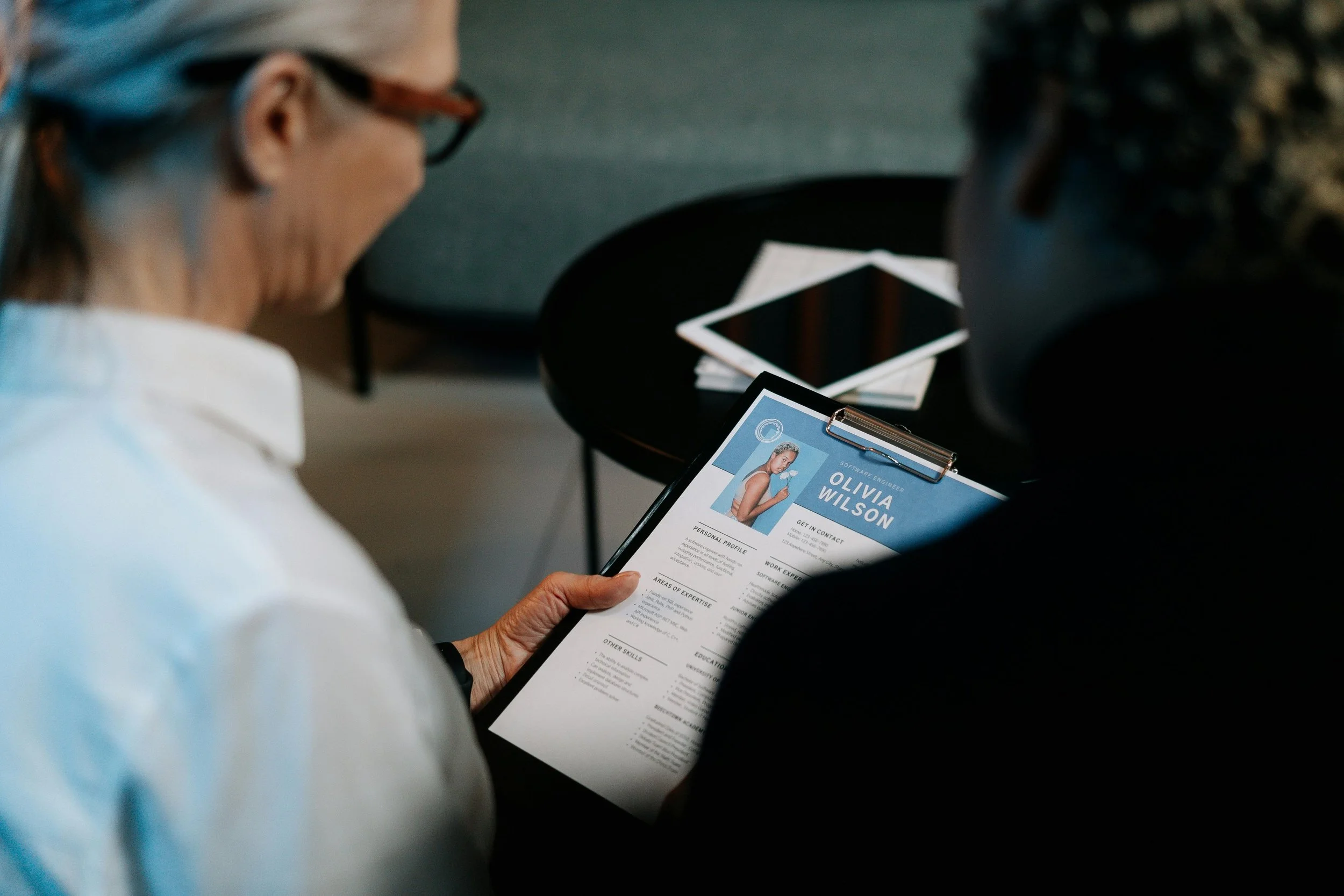
Writing a Cover Letter That Gets Noticed
Your cover letter sits alongside your resume and helps you make a strong first impression. Recruiters often review dozens of applications each day, so your goal is to make yours clear, relevant and engaging.
Address the Hiring Manager
If possible, address the hiring manager by name.
You may find it:
In the job ad
On the company website
Through LinkedIn
If not available, you can use “To Whom It May Concern.”
Don’t Repeat Your Resume
Your cover letter shouldn’t duplicate your resume.
Instead, use it to:
Show you understand the role
Highlight your most relevant strengths
Provide a short example of your experience
Using keywords from the job description helps show you’re a strong match.
Show Your Motivation
Many applicants only talk about themselves.
Stand out by also explaining why you’re interested in the company.
Look at the organisation’s:
Values
Mission
Projects or initiatives
Explain how those align with your interests or goals.
Check Before You Send
Always proofread your cover letter.
Small spelling or grammar mistakes can suggest a lack of attention to detail.
Ask a friend, mentor or family member to review it before submitting.

At Bandu, we’re committed to supporting our participants as they transition from education into meaningful careers. With guidance from partners like Clicks IT Recruitment, we hope these tips help you feel more prepared and confident as you begin your job search.
Your journey is just beginning, and the right opportunity could be closer than you think. For additional support don’t hesitate to contact the Bandu team.